I’ve been thinking about how I spend most of my creative time tattooing, drawing, painting - and it’s easy to get stuck in the technical side of it. But every now and then I have a moment where I step back and realise how strange (and special) this medium really is.
Because tattooing isn’t just “making an image”.
It’s part technical, part emotional, part instinct - and it’s alive in a way other art forms aren’t.
When people see a finished tattoo (especially realism), they see the final picture. What they don’t see is everything underneath that moment: the decisions, the adjustments, the way the idea slowly becomes something that actually fits a human body.
A tattoo doesn’t sit on someone. It literally becomes part of them.
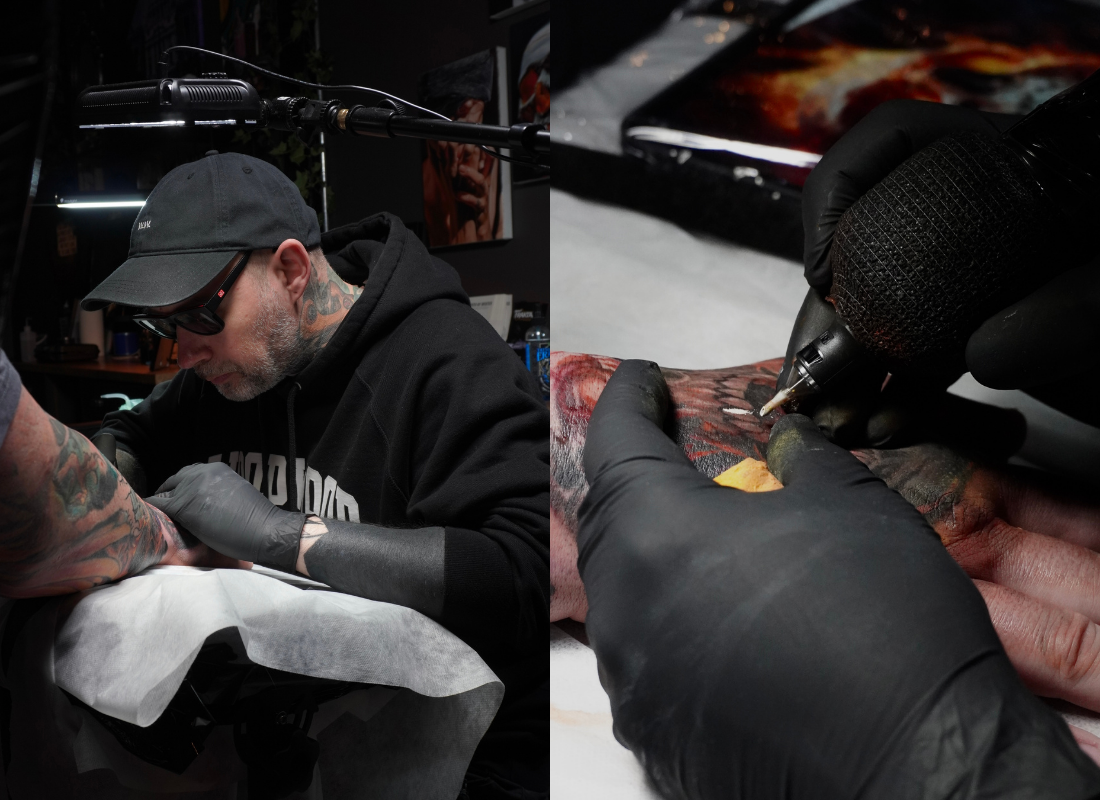
Skin isn’t a canvas (And that changes everything)
Working on skin is completely different to working on paper or canvas. Everyone’s skin has its own tone, texture, sensitivity, and it sits differently over muscle and bone.
A forearm behaves differently from a thigh.
Ribs react differently from a shoulder.
Even posture changes the way a design reads.
So before I even think about the final image, I’m thinking about how the tattoo will sit when the client is relaxed versus when they move. You can draw something perfectly on paper - then try to place it on an arm and suddenly it looks wrong.
Tattooing forces you to adapt. You have to listen to the body as much as you listen to the idea.
Why realism tattoos depend on the body
Realism relies on smooth transitions, soft edges, depth, and believable contrast - and you’re doing all of that on a surface that isn’t flat.
Skin influences everything:
how darks settle
how contrast reads
how fine details soften as the tattoo heals
how tones look on different skin colours
When I’m planning a realism tattoo, I’m not only thinking about how it looks fresh. I’m thinking about how it’s going to look in a year… or five.
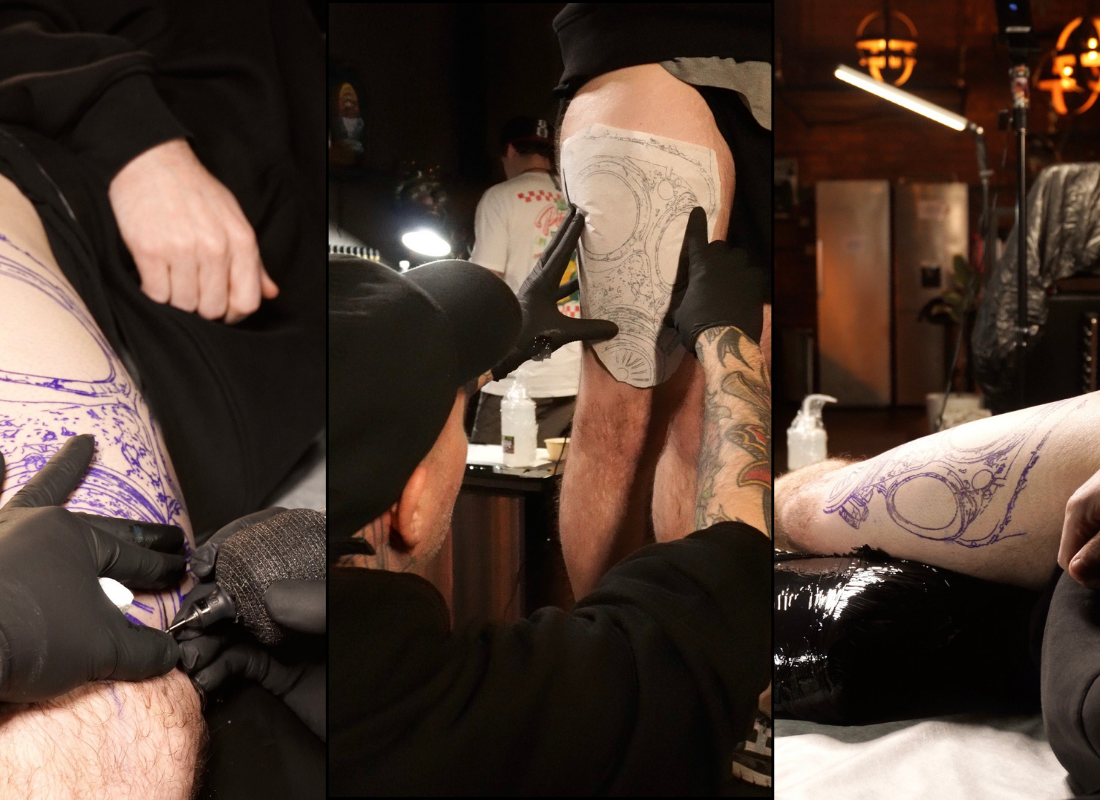
Tattoos age with the person (That’s part of the beauty)
Tattoos aren’t static like paintings on a wall. They move with you. They change slightly with time. Life happens - the skin changes, ink settles, edges soften a touch.
To me, there’s something genuinely beautiful about that.
A tattoo becomes part of someone’s story, not just an image frozen in time.
How tattoos age: What happens to tattoo ink and how to protect it
Tattooing is collaborative (And that part matters)
I don’t think the collaborative side of tattooing gets talked about enough.
A tattoo doesn’t start with me - it starts with someone walking in with an idea, a feeling, a memory… sometimes nothing more than a theme. My job is to translate that into something that works artistically and technically.
And it can get personal without anyone meaning it to. People share things they didn’t plan to share. The design shifts. We talk. We adjust. Then eventually the tattoo becomes a mix of both of us.
If someone sits for a long session, they’re trusting me completely. I never take that lightly.
Photography and painting feed into how I tattoo
The more I tattoo, the more I realise how much my other interests feed into it.
Photography teaches you to notice:
light direction
contrast
composition in real spaces
Painting reminds you to slow down and see the bigger picture, not just individual details.
Tattooing sits somewhere between those two worlds: structured but spontaneous; planned but flexible. It pulls everything together.
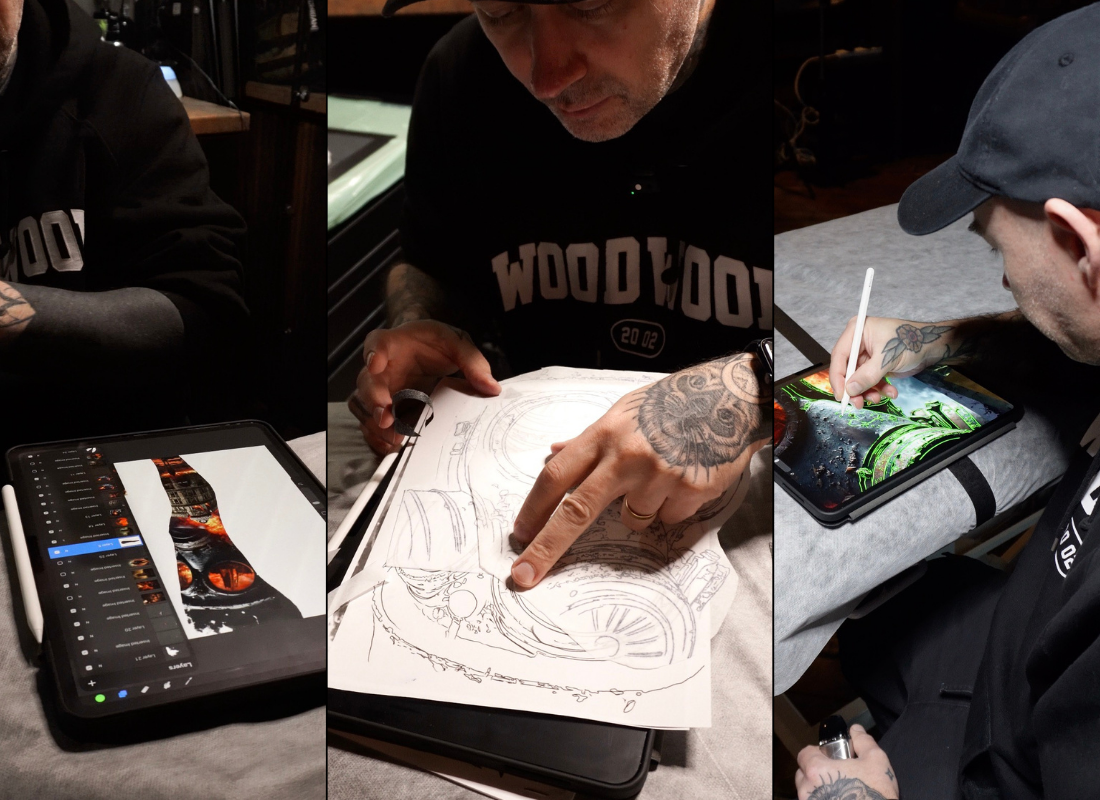
What I’m thinking about during a tattoo
When I tattoo, I’m not thinking, “Let’s make a cool image.”
I’m thinking about:
what the eye should see first
how the elements sit together
how contrast will read from a distance
how colours breathe on skin
how it will heal and age
what it means for the person wearing it
That’s why tattooing feels like its own form of art to me - not better or worse than painting or photography. Just different in a way that’s hard to compare.
The tattoo lives with you
At the end of the day, a tattoo becomes part of someone’s life. It goes wherever they go. It changes slightly as the years pass. It carries memories of the process too.
That’s what makes this medium so interesting to me.
It’s art that doesn’t just exist on its own.
It lives with the person.
And the person becomes part of the artwork too.
Thanks for reading,
Tibor